
The Difference Between Measuring Performance and Understanding It
This article discusses how metrics and KPIs can create a false sense of control, and why interpretation, context, and alignment with business objectives matter more than the volume of indicators tracked.
Lilo
1/20/20251 min read
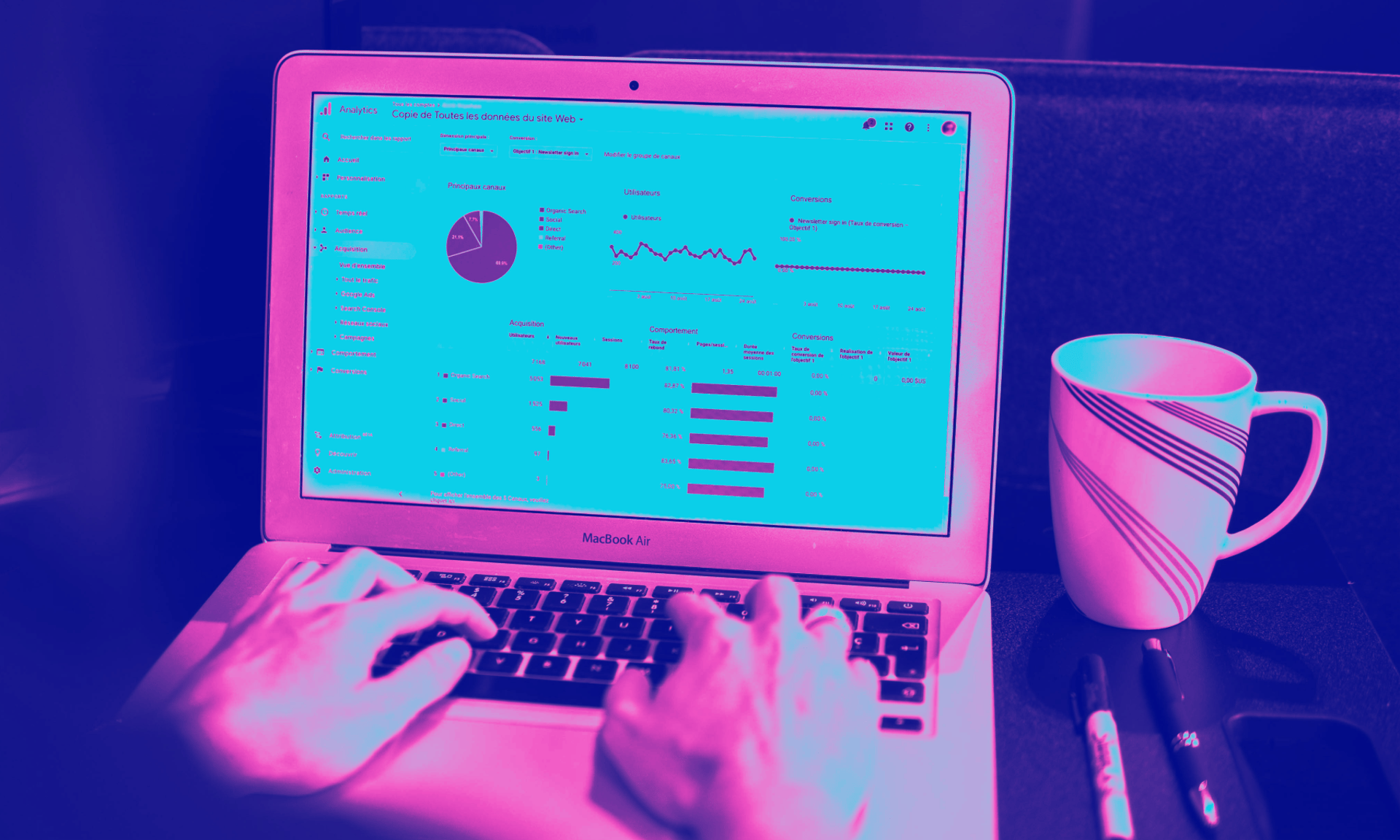
Many organizations track performance obsessively. Dashboards update in real time, metrics are reviewed weekly, and targets are set with precision. Yet despite all this measurement, teams often struggle to explain why results look the way they do or how to improve them.
Measurement and understanding are not the same thing. Measuring performance tells you what happened. Understanding performance explains why it happened and what can be done next. Without that deeper layer, reports risk becoming scorecards rather than tools for improvement.
Just as with any effective communication strategy, performance reporting works best when it is designed for a specific audience and purpose. Focusing on a narrow set of meaningful indicators makes it easier to move from observation to insight.
Measurement Shows Results, Not Causes
Most performance reports focus on outcomes. Revenue, conversion rates, delivery times, or costs are tracked closely. These metrics are important, but on their own they rarely explain what is driving change.
Understanding performance requires context. Trends over time, comparisons across segments, and links between actions and outcomes help reveal cause and effect. Without this context, teams may react to symptoms rather than addressing underlying issues.
Too Many Metrics Can Obscure Insight
When everything is measured, nothing stands out. Reports packed with metrics often overwhelm the reader and make it harder to identify what truly matters. Instead of clarifying performance, they dilute attention.
Effective reporting prioritizes clarity over volume. Selecting a small number of indicators tied directly to goals helps decision-makers focus on what requires action. Fewer metrics, when chosen carefully, often lead to better discussions and better decisions.
Understanding Enables Better Decisions
Understanding performance means translating data into insight. It involves explaining what changed, why it changed, and what should happen next. This shift turns reporting from passive observation into active guidance.
When teams invest in understanding rather than just measuring, performance conversations become more productive. Decisions are based on insight instead of instinct, and actions are aligned with real drivers of results. Measuring performance is necessary, but understanding it is what makes improvement possible.
Location
Folkungagatan 93-87, 116 30 Stockholm, Sweden
Hours
I-V 9:00-18:00
VI - VII Closed
Contacts
Sweden: 031-765 03 27
International: +1 585 310 0610
info@gtbconsultings.com